
How to photograph your reborn doll at home
Simple tips for soft, natural photos of your doll using a phone, window light and a few things you already have.
How do you take better reborn doll photos at home?
Use indirect window light, a simple light-coloured blanket and a supported pose on a stable surface. Clean your phone lens, tap the doll’s face to focus and take a mix of full-length and detail photographs. Keep editing subtle so the silicone colour and sculpted features remain recognisable.
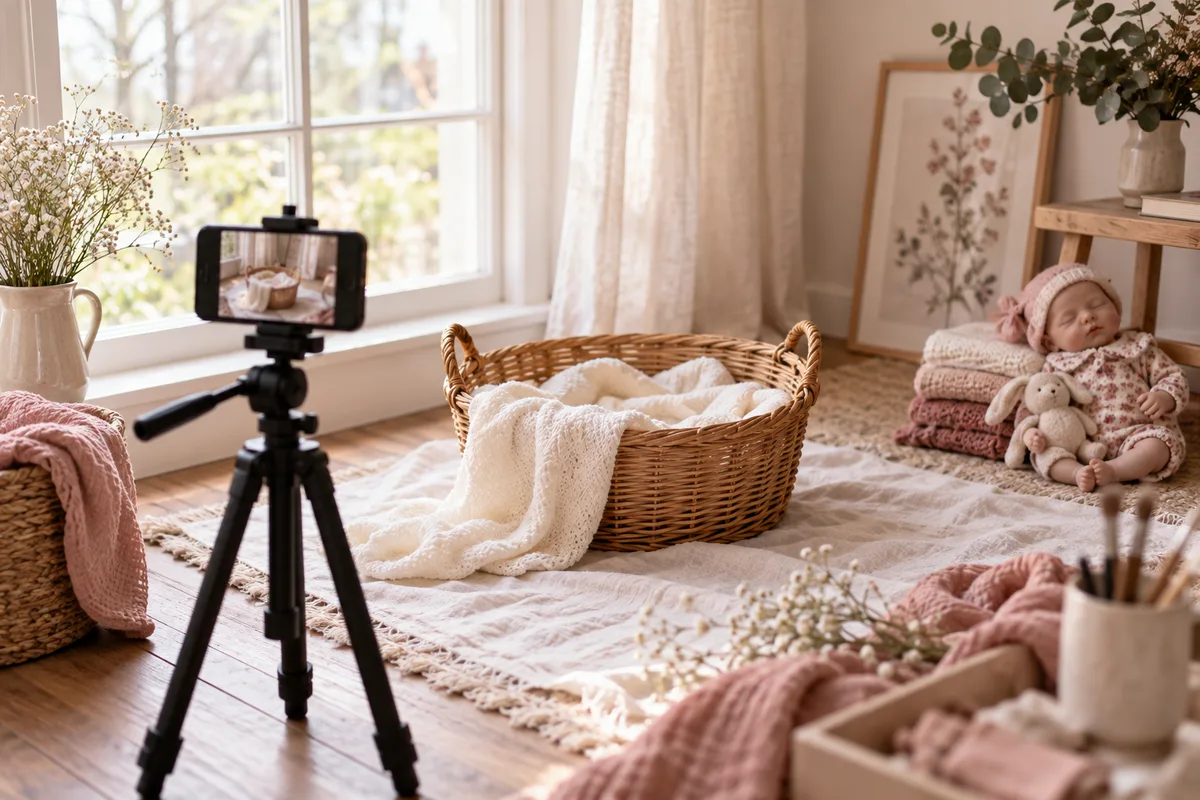
Find the right light
Soft daylight is the most flattering light for a reborn doll. Place your doll near a window but out of direct sunlight, which can create harsh shadows and, over time, may affect silicone and paintwork. An overcast day is often perfect.
Keep the background simple
A plain blanket, a neutral sheet or a knitted throw lets the doll’s face stand out. Remove clutter from the edges of the frame and choose colours that complement the outfit rather than compete with it.
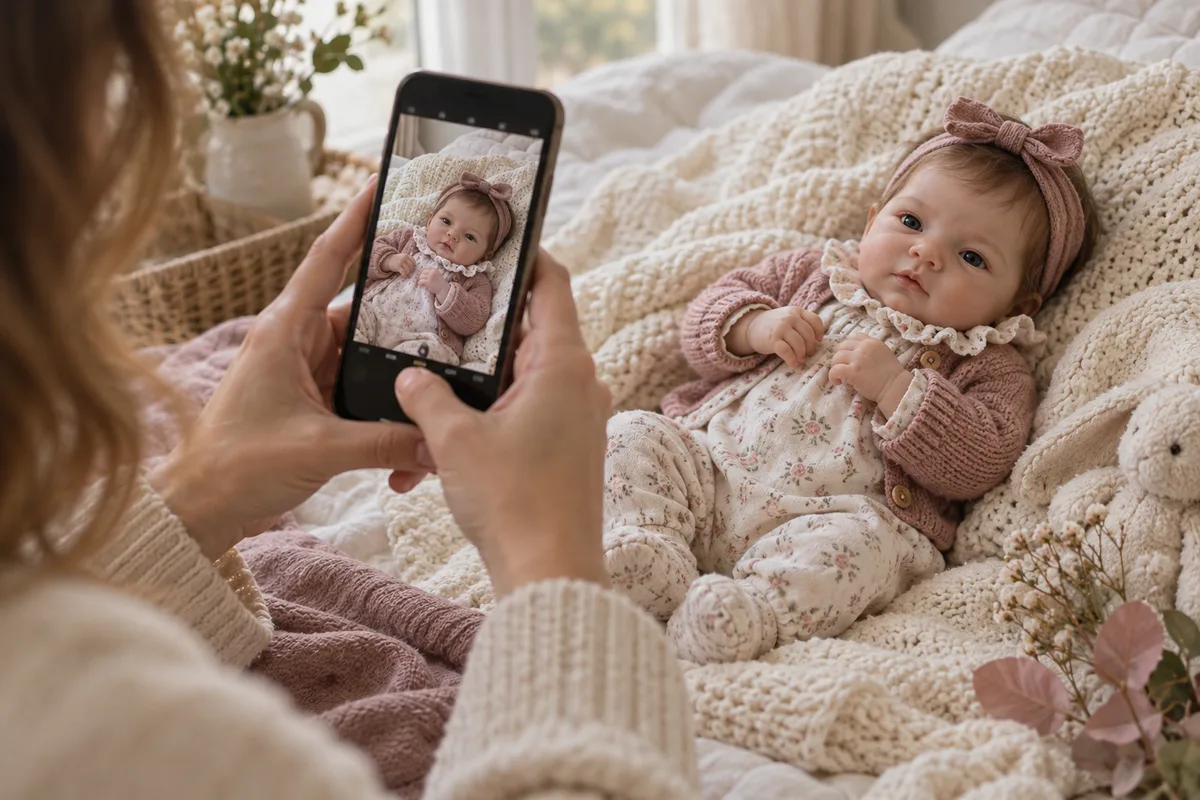
Get down to eye level
Photographing from the doll’s eye level makes pictures feel more intimate and natural than shooting from above. Lean in close for details such as eyelashes, fingers and toes, then step back for a wider shot that shows the whole outfit.
Most phone cameras have a portrait mode that softly blurs the background, which works beautifully for close-ups.
Pose gently
Support the head and body when positioning your doll and never force limbs or fingers into a pose. Rolled blankets and small cushions tucked out of sight can help support a natural, relaxed position.
Small props, carefully chosen
A soft toy, a bonnet or a folded muslin can add warmth to a photograph. Check that dark or strongly dyed fabrics will not transfer colour to the silicone, and keep props away from the face and painted areas.
Editing lightly
A little brightness and warmth is usually all a photograph needs. Heavy filters can change skin tones and make details look less lifelike. If you share your photographs online, you are welcome to tag us so we can see your little one.
Try a simple five-photo sequence
Begin with a complete view of the doll and outfit. Next, take a face portrait, a side view, a close-up of a hand or foot, and a wider photograph showing the setting. This gives you variety without repeatedly repositioning delicate limbs.
Check the first image before taking the rest. If the face looks too dark, move your camera position or the whole supported setup slightly toward the light. Avoid balancing the doll on high surfaces just to get a better angle.
Keep colours and details believable
If you are photographing a doll to show someone its condition, include clear unfiltered views as well as your styled pictures. Portrait mode can blur fingers or hair by mistake, so inspect those edges. Crop away distractions, but keep important details visible and avoid filters that conceal marks or change the doll’s complexion.
Find a doll you feel connected to
Answer three gentle questions and we’ll suggest three dolls to compare, or ask us for personal help choosing.
More from the blog
All articles
Choosing a reborn doll as a gift
How to pick a full body silicone reborn doll for someone special, from expression and size to timing and presentation.
Read article
Reborn doll sizes explained
Compare mini and newborn-size reborn dolls, understand length and weight, and choose a comfortable fit for holding and clothing.
Read article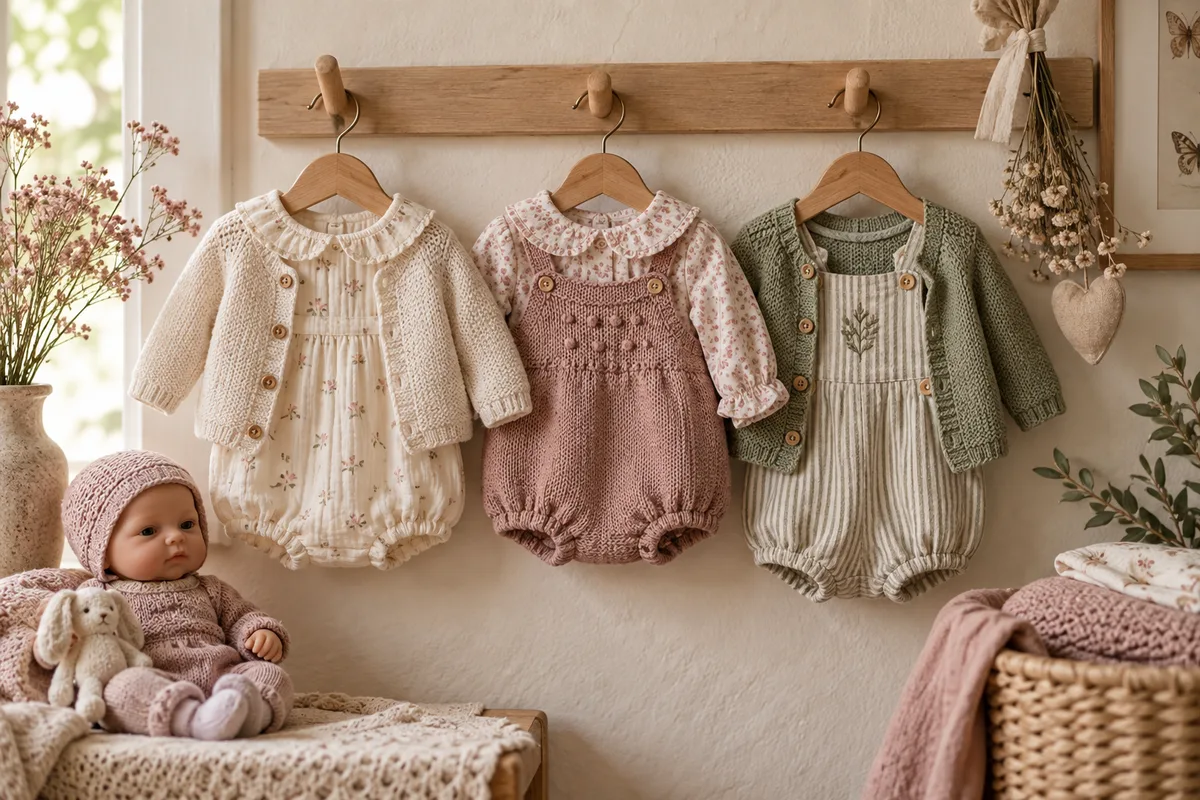
Dressing your reborn doll: clothes, fabrics and fit
How to choose outfits that fit well, protect the silicone and make changing clothes easy and enjoyable.
Read article